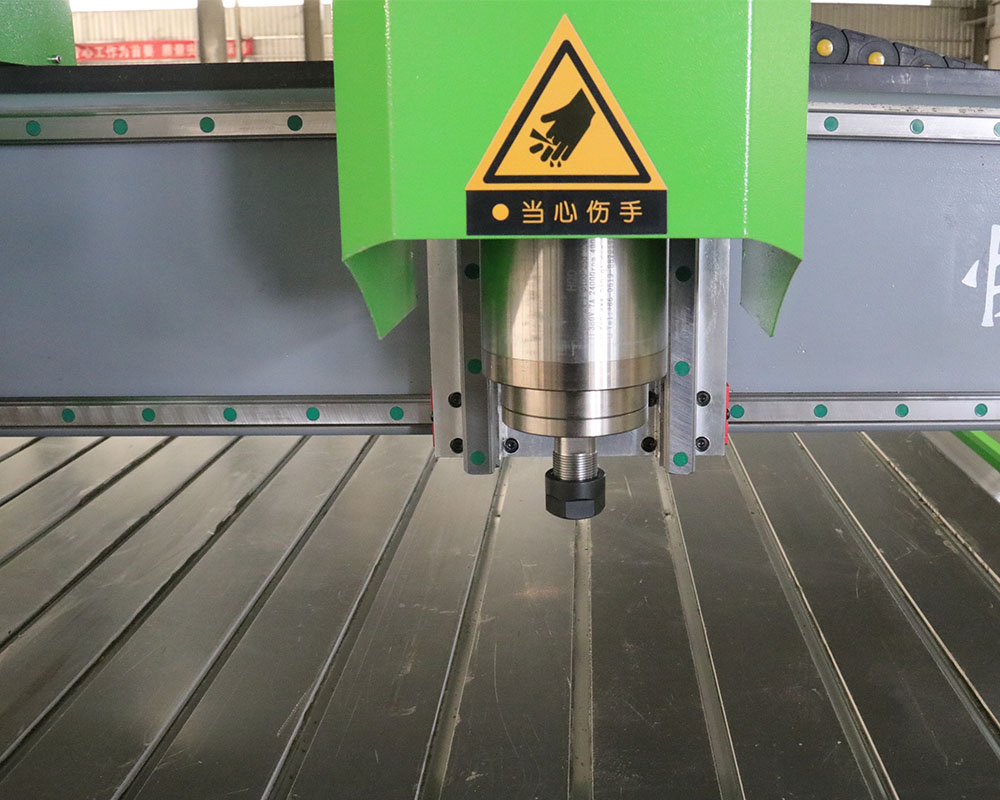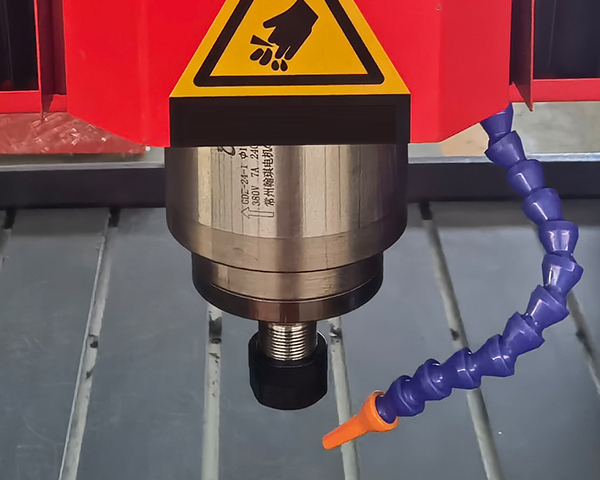
Amid the wave of transformation in the woodworking industry from “handcrafted manufacturing” to “intelligent smart manufacturing, ” the inefficiency and precision limitations of traditional sawing, planing and sanding have become increasingly prominent. Wood CNC router, with digital technology at its core, integrates precision mechanical transmission and intelligent control systems. It standardizes complex processes and optimizes the efficiency of personalized requirements, emerging as the “core production engine” in fields such as furniture manufacturing, craft processing, and custom home furnishings, and redefines the boundaries of efficiency and quality in woodworking processing.
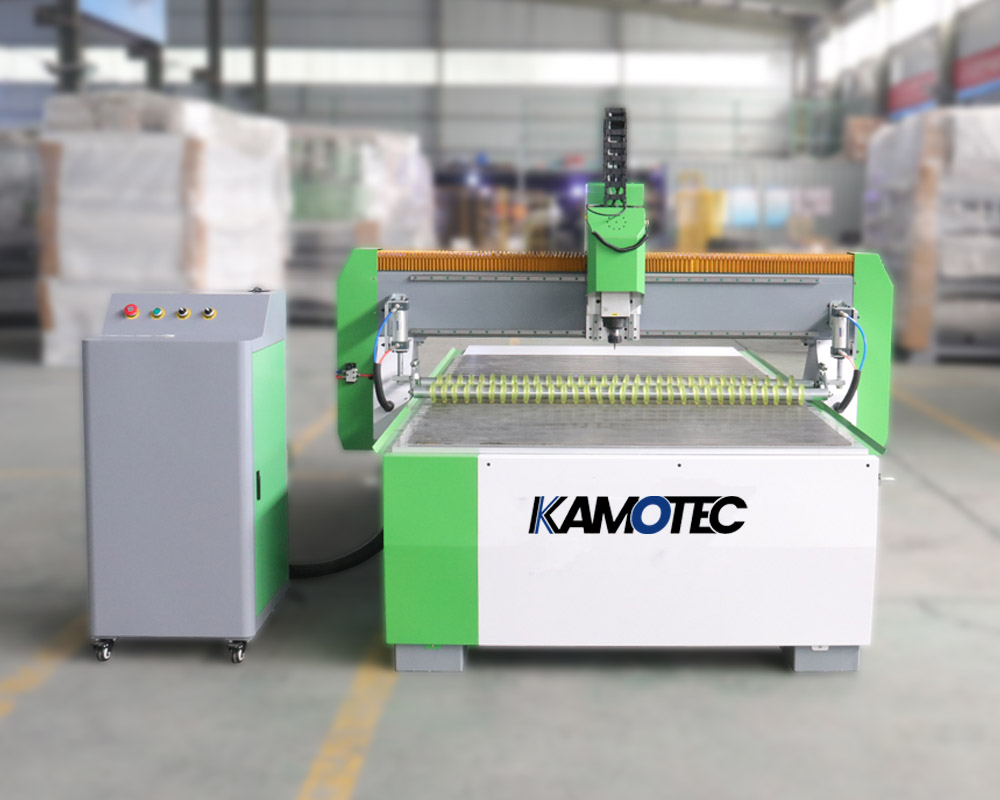
The core competitiveness of wood CNC routers stems from the precise resolution of pain points in woodworking. Compared with traditional handcraft, their most prominent advantage is “millimeter-level precision” — equipped with high-precision ball screws and servo motors, the positioning error can be controlled within ±0.01mm. Whether it is the relief patterns on solid wood furniture, the hollowed-out details of mahogany crafts, or the splicing cuts of boards, they can perfectly restore design drawings, avoiding common dimensional deviations and texture damage in manual operations. Targeting the characteristics of different woods such as pine, oak, MDF (medium-density fiberboard), and particleboard, the equipment can automatically adjust carving force and speed, ensuring no edge chipping when carving hardwoods and no roughness when carving softwoods, achieving the processing effect of “one machine replacing hundreds of craftsmen”.
Efficiency upgrade is the key highlight that impresses enterprises with wood CNC routers. While traditional manual carving of a wardrobe door with complex flower and bird patterns takes 3-5 days, the CNC router can complete batch processing in just 4 hours through direct CAD drawing import and automatic nesting functions, increasing efficiency by nearly 20 times. The equipment supports 24/7 continuous operation and is equipped with an automatic tool change system, enabling it to finish multiple processes such as carving, cutting, drilling, and grooving in one go without frequent manual intervention, significantly reducing labor costs. For small and medium-sized woodworking enterprises, this means shorter order delivery cycles and doubled production capacity, helping them seize the initiative in a market with a surge in customized orders.
Its flexible adaptation to multi-scenario needs extends the equipment’s value across the entire woodworking industry. In the furniture manufacturing industry, it can accurately complete three-dimensional reliefs on cabinet doors and curved cutting of sofa frames, empowering enterprises to create high-end custom furniture. In the craft processing field, it easily realizes everything from the intricate textures of wood carvings to personalized patterns on cultural and creative products, enhancing the artistic added value of products. In custom home scenarios, it quickly adjusts design parameters according to customer needs to finish special-shaped cutting of tatami mats and veneer splicing of background walls, meeting the diverse personalized market demands. Even in ancient architecture restoration, it can accurately replicate traditional wood carving patterns, providing technical support for cultural relic protection and inheritance.
Intelligent upgrading continuously lowers the operation threshold, making the equipment an “easy-to-use tool” for enterprises. Mainstream models are equipped with visual operation interfaces and support graphical programming, allowing new operators to take up their posts after simple training. Some high-end models integrate intelligent detection functions, which can automatically identify wood grain direction and board thickness, and dynamically adjust processing parameters. Equipped with a dust collection system, there is no wood chip flying during processing, which not only meets environmental policy requirements but also improves the workshop working environment. These designs make numerical control technology no longer a “professional barrier” but a productivity tool that all woodworking enterprises can master.
Driven by consumption upgrading, the demand for quality and personalization of woodworking products is increasingly rising. Wood CNC routers are not only an upgrade of processing equipment but also the core support for enterprises to transform from “large-scale production” to “quality intelligent manufacturing”. Choosing a suitable wood CNC router can both uphold the “craftsmanship precision” of traditional woodworking and embrace the “efficiency dividends” of the intelligent era, becoming the key for woodworking enterprises to stand out in market competition. In the future, with continuous technological iteration, it will unlock value in more segmented fields, allowing every piece of woodworking craftsmanship to be accurately realized.