In modern manufacturing, cultural and creative industries, and the field of personalized customization, engraving technology has been increasingly widely applied. As the two mainstream devices, CNC Engraving Machines and Laser Engraving Machines have become the preferred tools in different scenarios with their respective unique technical advantages. Although both are engraving equipment, they have significant differences in working principles, application scenarios, and other aspects, and understanding these differences is the key to accurate equipment selection.
Core Principles: The Essential Differences Between Mechanical Cutting and Laser Beam Ablation
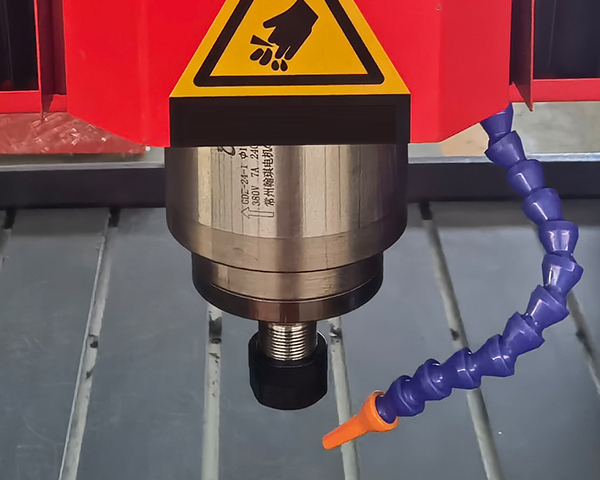
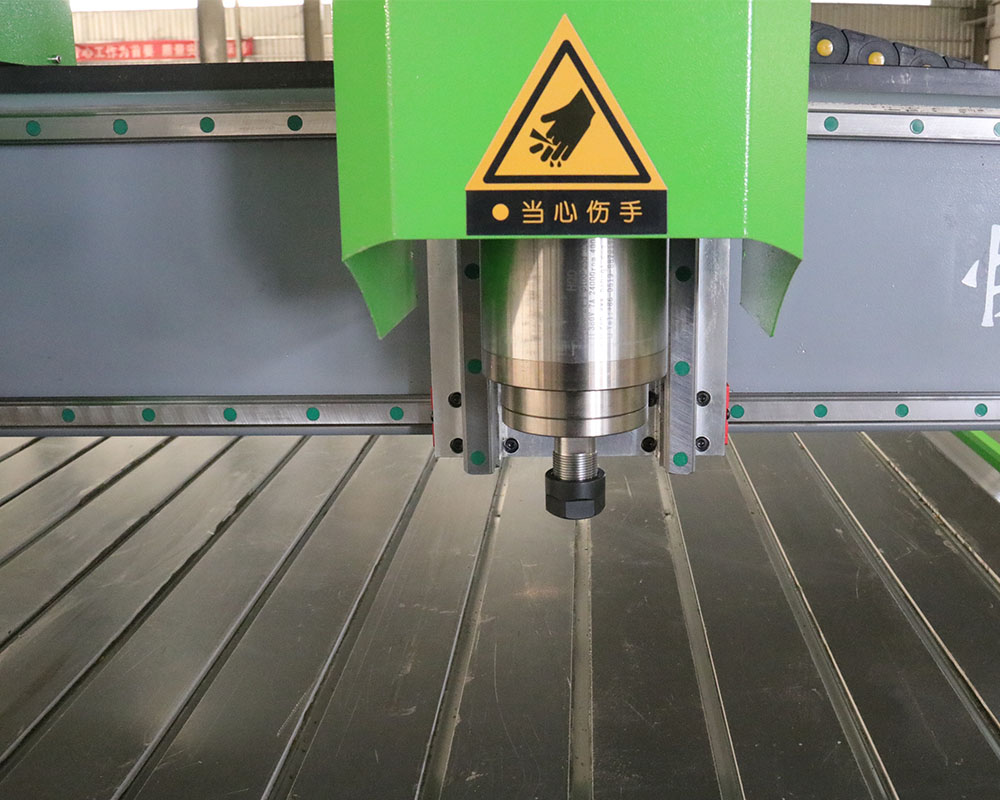
CNC Engraving Machines operate based on the principle of mechanical cutting. Controlled by computer programming, they drive cutting tools via a spindle motor to perform milling, cutting or relief carving on materials through high-speed rotation. The cutting tools come into direct contact with the material, removing excess parts through physical force to form pre-designed engraving patterns. Their movement trajectory is precisely controlled by the CNC system, enabling 3D three-dimensional carving with excellent controllability over processing depth and shape.
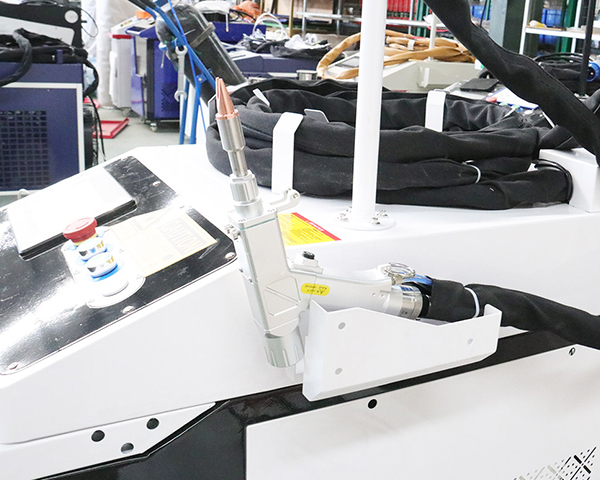
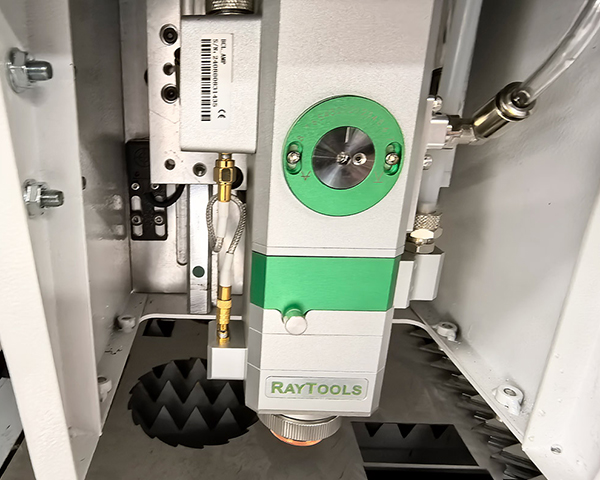
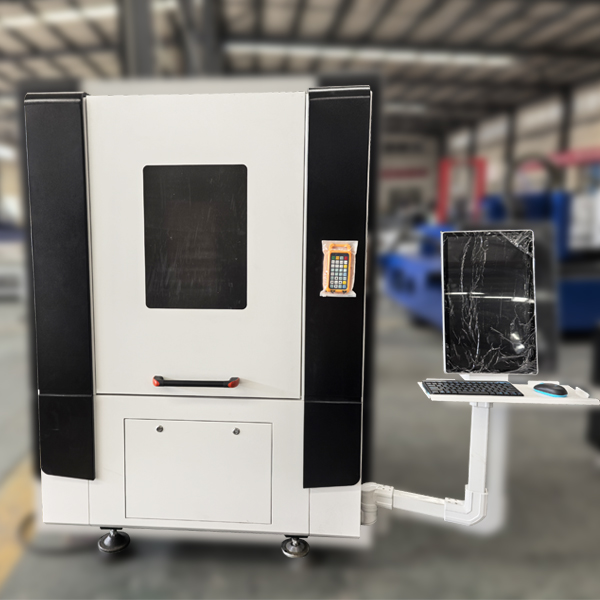
Laser Engraving Machines, on the other hand, achieve engraving by utilizing the thermal effect of laser beams. The equipment converts electrical energy into laser light of a specific wavelength, which, after being focused, forms a high-energy-density light spot. When irradiating the material surface, it removes the material through burning, melting or vaporization to complete the engraving process. Laser engraving does not require tools to contact the material, belonging to non-contact processing, and will not exert mechanical stress on the material during the processing.
Application Scenarios: Specialized Application Fields
With its powerful cutting capacity, CNC Engraving Machines are widely used in fields such as wooden furniture carving, stone relief production, metal mold processing, and the manufacturing of architectural decorative components. In scenarios requiring three-dimensional carving of thick materials, its irreplaceability is particularly prominent—for example, the mass production of traditional wood carving crafts and the precision processing of large stone sculptures.
Laser Engraving Machines, on the other hand, have captured markets including cultural and creative customization, advertising production, and the electronic industry with their high precision and efficiency. Whether it is the engraving of personalized phone cases, the cutting of fabric patterns, the production of circuit board markings, or the processing of acrylic crafts, they can quickly deliver high-quality results. In the field of small-batch, multi-variety personalized customization, the flexibility of laser engraving machines is highly favored.